
Weathering the Storm | How Floating Homes Handle Extreme Weather
Contact us to schedule your 3-D design session today! And remember, we have exclusive slips available for our esteemed clients in Virginia. Floating homes, by their very nature, are intimately connected to the whims of the weather. But far from being at the mercy of the elements, these remarkable structures are designed to embrace and withstand them. This exploration delves into the engineering marvels and innovative design strategies that equip floating homes to stand resilient in the face of extreme weather. From storm-resistant features to adaptive technologies, discover how these homes are built not just to survive but to thrive amidst nature's most challenging conditions.
Engineering for Resilience
Buoyant Foundations: One of the key features of floating homes is their ability to rise and fall with water levels. Innovative buoyant foundations, often made of concrete or foam-filled steel, provide stability while allowing the structure to adapt to changing water levels, crucial during floods or storm surges.
Mooring Systems: Secure mooring is critical in extreme weather. Advanced mooring systems, like telescopic piles or flexible anchor chains, allow homes to move with the water while staying firmly anchored, providing security even in rough conditions.
Hull and Deck Design: The hulls of floating homes are designed not just for buoyancy but also for durability. Materials resistant to corrosion and decay, and shapes that can withstand waves and debris, are key to their long-term resilience.
Adaptive Architectural Features
Storm-Proof Windows and Doors: In areas prone to hurricanes or heavy storms, floating homes are often equipped with impact-resistant windows and doors. These features help prevent water and wind damage, keeping the interior safe and dry.
Elevated Electrical and Plumbing Systems: Critical systems like electricity, heating, and plumbing are often elevated or waterproofed to prevent damage during floods. This foresight in design ensures that homes remain functional even in adverse weather conditions.
Robust Insulation: Proper insulation is essential not only for energy efficiency but also for protection against extreme temperatures. High-quality insulation materials help maintain a comfortable internal environment, regardless of external weather conditions.
Sustainability and Safety
Renewable Energy Sources: Many floating homes incorporate renewable energy sources like solar panels or small wind turbines. These systems provide a level of self-sufficiency, which is especially important during weather-related power outages.
Emergency and Safety Features: Safety features, including emergency escape routes, life rafts, and communication systems, are integral to the design of floating homes, ensuring residents can stay safe and connected in emergency situations.
Community Support Systems: In floating home communities, communal emergency plans and support systems are often in place. These might include shared resources like generators or water filtration systems, enhancing resilience through collective preparedness.
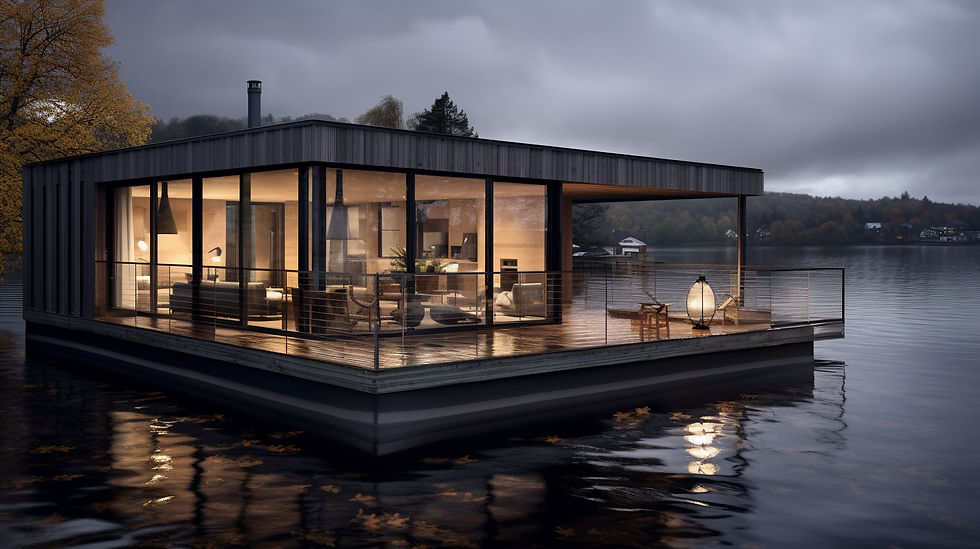
Floating homes represent a harmonious blend of architectural ingenuity and a deep respect for nature's power. By incorporating advanced engineering and sustainable design principles, these homes are not just surviving but thriving in the face of extreme weather. They stand as testaments to human ingenuity – homes that don't just weather the storm but become a part of the natural ebb and flow of the environment, embodying resilience and adaptability in every aspect of their design. Contact us to schedule your 3-D design session today! And remember, we have exclusive slips available for our esteemed clients in Virginia.


Comments